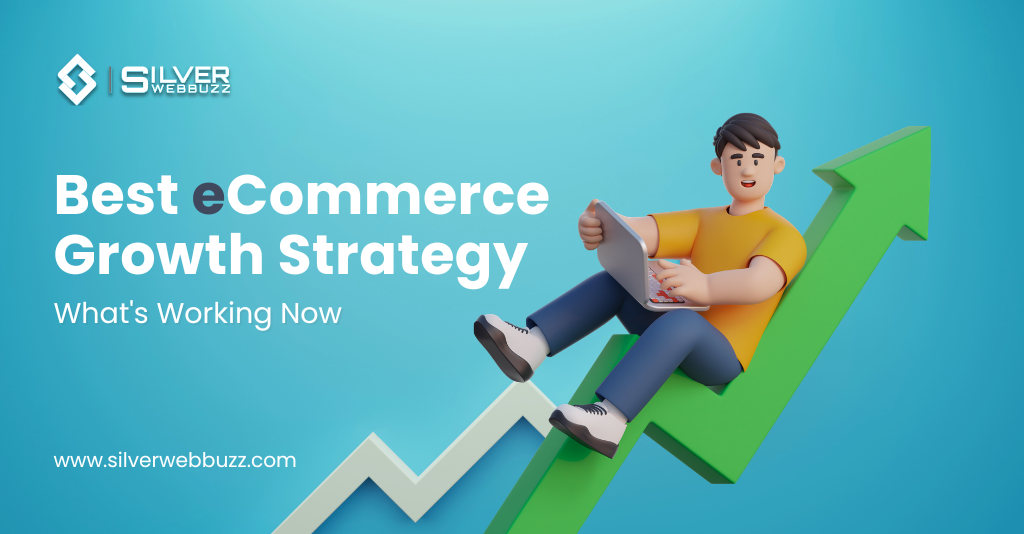
The world of eCommerce continues to evolve at lightning speed, and 2026 brings new opportunities and challenges for businesses looking to grow. As technology advances, customer expectations shift, and competition becomes fiercer, it’s crucial for eCommerce brands to adopt growth strategies that not only adapt to change but also anticipate it.
This post outlines the top strategies that are working for eCommerce businesses in 2026, focusing on innovative approaches and technologies that will help you build a future-proof eCommerce operation. Whether you’re just starting out or looking to scale, these strategies will give you the tools to accelerate growth, improve customer experiences, and stay ahead of the competition.
Understanding eCommerce Growth in 2026
Before diving into strategies, it’s important to understand the landscape of eCommerce growth in 2026.
Growth vs. Scaling
It’s crucial to differentiate between growth and scaling. Growth refers to expanding your business—whether it’s gaining more customers or launching new products. Scaling, on the other hand, involves increasing your revenue without a proportional increase in costs. In 2026, the most successful eCommerce brands will focus on scaling with efficiency, using technology to handle growing demand while minimizing overhead.
Key Metrics to Measure eCommerce Growth
The key metrics for tracking growth in 2026 go beyond just revenue. Successful businesses track:
- Conversion Rate: The percentage of visitors who make a purchase. A higher conversion rate means your website and marketing strategies are resonating with customers.
- Customer Lifetime Value (CLV): How much revenue a customer generates over their lifetime. CLV is an essential metric for measuring the long-term value of customer relationships.
- Average Order Value (AOV): The average amount a customer spends per transaction. Increasing AOV can significantly boost your profits.
- Churn Rate: The rate at which customers stop doing business with you. A high churn rate signals issues with retention, while a low churn rate is a sign of customer loyalty.
These metrics should guide your strategy and decision-making in 2026, ensuring you’re not just growing, but growing in a way that drives sustainable, long-term success.
Top eCommerce Growth Strategies for 2026
Now that we have a solid understanding of eCommerce growth in 2026, let’s dive into the strategies that will define success for eCommerce brands this year.
AI-Powered Personalization

Personalization is no longer a luxury; it’s a necessity. AI-powered algorithms enable businesses to deliver hyper-targeted experiences, from personalized product recommendations to dynamic content tailored to individual preferences. In 2026, AI is evolving to deliver even more sophisticated experiences, using predictive analytics to anticipate what a customer is likely to want before they even search for it.
Actionable Tip: Leverage AI-driven tools like product recommendation engines and personalized email marketing to deliver targeted content that resonates with each customer’s unique preferences.
Omnichannel Retailing

Customers now expect a seamless shopping experience across all touchpoints—whether they are shopping online via desktop, mobile, or in-store. Omnichannel retailing integrates physical and digital shopping experiences, allowing customers to engage with your brand wherever and whenever they choose. This strategy enhances customer convenience, builds brand loyalty, and ultimately drives sales.
Actionable Tip: Invest in technologies that allow you to manage inventory, orders, and customer interactions across all channels, ensuring that your business remains consistent across touchpoints.
Social Commerce & Influencer Marketing

Social commerce has been on the rise for several years, and 2026 will see an even greater shift towards social media-driven shopping experiences. Platforms like Instagram, TikTok, and Pinterest are offering more robust shopping features, allowing customers to purchase directly from their social feeds. Influencer marketing also continues to thrive as brands collaborate with creators to reach new audiences in authentic ways.
Actionable Tip: Expand your social commerce efforts by integrating shopping features into your social media platforms and partnering with influencers whose audience aligns with your target market.
Voice & Visual Search Optimization

Voice and visual search are becoming a staple of the modern shopping experience. Consumers are increasingly using voice assistants like Alexa and Siri to make purchases, while visual search allows users to search using images instead of text. In 2026, optimizing for these search methods will be key to staying competitive in the eCommerce space.
Actionable Tip: Optimize your product listings for voice search by incorporating conversational keywords and ensure your product images are high-quality and properly tagged for visual search.
Mobile-First Experience
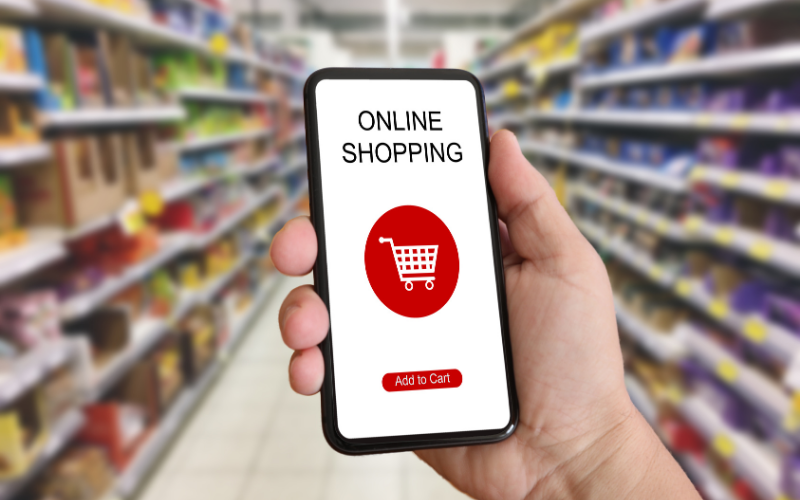
The mobile-first mentality is critical in 2026, as mobile commerce continues to dominate eCommerce sales. Mobile users expect fast, seamless, and intuitive shopping experiences. Ensuring your website is optimized for mobile devices isn’t just a convenience—it’s a necessity to drive conversions.
Actionable Tip: Make your website mobile-friendly by focusing on responsive design, fast load times, and a simplified checkout process for mobile users.
Choosing the Right Strategy for Your Brand
With so many strategies available, it’s important to choose the ones that align with your brand’s goals, audience, and resources.
Understand Your Audience & Niche
Tailor your growth strategy to meet the unique needs of your audience. Whether you’re serving a niche market or broad consumer base, understanding their behavior, preferences, and pain points is critical for selecting the right tactics.
Budget vs. ROI Consideration
Not all strategies will yield the same return on investment. While AI-driven personalization may offer significant rewards in the long run, other strategies like influencer marketing may offer quicker wins. Always balance your budget with your expected ROI to ensure you’re investing in the right growth tactics.
Test, Measure, Iterate
In 2026, the best eCommerce strategies are data-driven. Testing different tactics, measuring performance, and iterating based on results will ensure your strategy remains agile and effective.
Challenges to eCommerce Growth in 2026
As promising as eCommerce growth is, 2026 presents unique challenges that businesses must overcome to succeed:
Market Saturation & Ad Fatigue
With so many eCommerce businesses vying for consumer attention, market saturation is a concern. Ads are becoming less effective as consumers become overwhelmed by promotions. To stand out, brands must focus on authentic, value-driven content and personalized messaging.
Rising Logistics & Fulfillment Costs
Shipping and fulfillment costs continue to rise, especially for cross-border transactions. Businesses will need to find ways to optimize logistics to maintain profitability while offering competitive shipping rates.
Regulatory Changes Around Data Privacy
As data privacy regulations continue to evolve globally, eCommerce businesses must stay on top of compliance to avoid penalties. This includes adhering to regulations like GDPR in Europe and CCPA in California, as well as preparing for upcoming global changes.
Global Supply Chain Vulnerabilities
Supply chain disruptions continue to impact global trade. Businesses must stay agile by building diversified supplier networks and focusing on inventory forecasting to mitigate risks.
Conclusion: Future-Proofing Your eCommerce Growth
In 2026, the key to successful eCommerce growth lies in your ability to leverage emerging technologies, stay ahead of trends, and continuously innovate. Whether you’re implementing AI for personalization, expanding into new markets, or refining your mobile-first strategy, the businesses that thrive will be those that remain flexible and adaptable.
To get started, take one key strategy from this post and begin implementing it this week. Whether it’s testing a new AI tool or optimizing your mobile site, taking action is the first step towards building momentum for long-term success.
By embracing the growth strategies that are working in 2026, your eCommerce business will be well-equipped to thrive in an ever-changing landscape. Keep experimenting, measuring your success, and evolving your strategy to stay ahead of the competition.